
What Does a Thermostat Do in a Car? A Simple Explanation
Introduction
So, what does a thermostat do in a car? In simple terms, it controls the engine’s temperature. It helps the engine warm up quickly and keeps it from getting too hot. This small part plays a big role in keeping your car running smoothly. When you understand what the thermostat does on a car, it becomes easier to spot problems before they turn serious. At GMZ Motors, we’ve created this easy guide to help you understand one of the smallest but most important parts under your bonnet.
How a Car Thermostat Works
To understand what the thermostat in a car does, imagine a tap that only opens when the water is warm enough. A car thermostat works similarly. When you start your car, the engine is cold. The thermostat stays closed to stop coolant from flowing through the radiator. This helps the engine warm up faster.
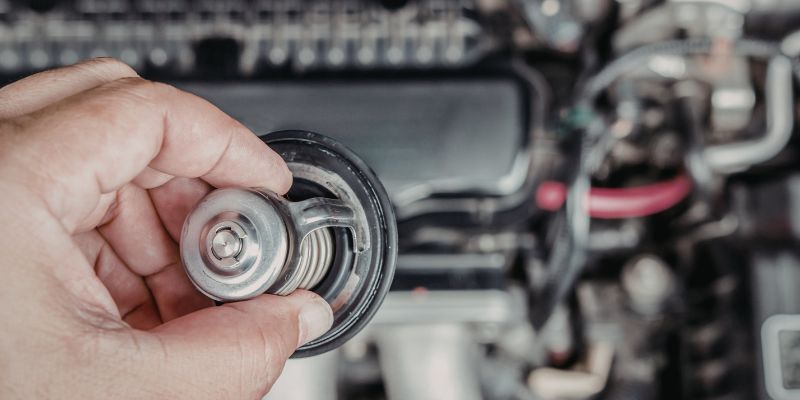
Inside the thermostat, there is a wax-filled chamber. As the engine heats up, the wax melts and expands. This makes the thermostat open. Once it opens, coolant begins to flow around the engine and through the radiator. This lets heat escape and keeps the engine at the right temperature.
If you have ever wondered what a car thermostat does each time you drive, this is it: it keeps the engine in a safe temperature range. Without it, the engine would either stay too cold or get too hot. A cold engine uses more fuel and wears out faster. An overheating engine can cause serious damage. This is why the thermostat is so important for performance and safety.
Why Your Car Needs a Thermostat
Now you know what a thermostat does for a car, it becomes clear why every engine needs one. It helps prevent overheating by allowing coolant to circulate at the right time. It also helps the engine warm up properly, which improves fuel efficiency.
A warm engine burns fuel better and produces fewer emissions. It also reduces wear on engine parts. You will also notice that your cabin heater works faster because the thermostat helps the engine reach its ideal temperature sooner. For such a small part, it has a big impact.
Signs of a Faulty Thermostat
A faulty thermostat can cause a range of problems. The most common sign is engine overheating. This happens if the thermostat stays closed. Another sign is temperature gauge changes. If the needle moves up and down more than usual, the thermostat may be sticking.
Slow warm-up times can also point to a problem. If the thermostat is stuck open, the engine stays too cold. You may notice poor fuel economy or that the heater takes ages to warm up. These issues might not seem major at first, but they can lead to bigger repairs if ignored.

Thermostat Replacement Basics
Many drivers ask, how do you replace a thermostat in a car? The job usually involves draining some coolant, removing the housing, replacing the old thermostat, and fitting a new gasket. While it sounds simple, it can get messy and tricky without the right tools.
You should replace a thermostat if you see any of the symptoms above or during regular service checks. Most mechanics recommend checking it every few years, especially if you drive long distances. At GMZ Motors, our technicians can diagnose thermostat issues and fit a new one safely. It is always best to let a professional handle it to avoid leaks or overheating.
Conclusion
In short, the thermostat keeps your engine at the right temperature and protects it from damage. Knowing what a thermostat does in a car helps you spot problems early. If you think yours may be faulty, contact GMZ Motors for expert help and friendly service. Check out our wide selection of used cars today!
FAQs
What does the thermostat in a car do?
It helps the engine warm up quickly and prevents it from overheating while driving.
Why is a car thermostat important?
It improves fuel efficiency, reduces engine wear, and protects the engine from overheating damage.
What happens if a car thermostat fails?
A faulty thermostat can cause overheating, slow warm-up times, poor fuel economy, or heater problems.
Can you drive with a bad thermostat?
Driving with a faulty thermostat is risky, as it can lead to serious engine damage over time.
How often should a car thermostat be replaced?
Most thermostats should be checked during regular servicing and replaced if they show signs of failure.